Debunking Stem Cell Therapy Myths
Stem cell therapy has been one of the most talked-about advancements in modern medicine...
Read More →
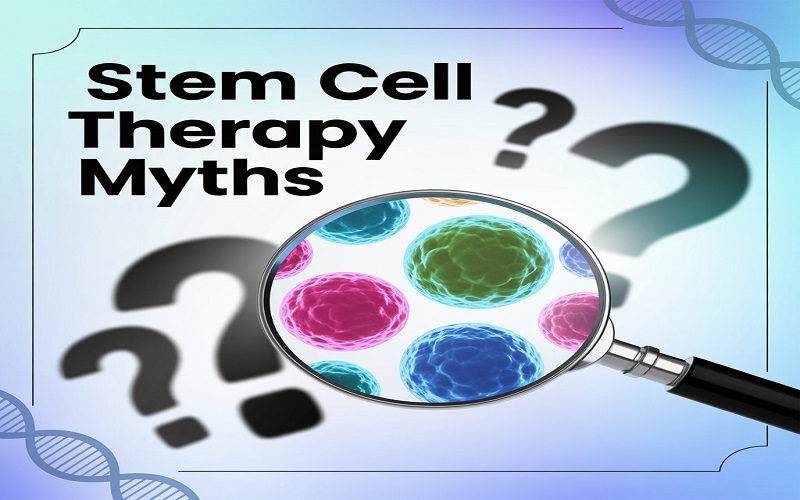
Stem cell therapy has been one of the most talked-about advancements in modern medicine. From repairing injured tissues to treating chronic illnesses, its potential seems almost limitless. But with growing popularity comes a wave of misconceptions and half-truths, many of which can mislead patients and even harm their decision-making.
In this article, we’ll break down the most common myths about stem cell therapy and replace them with facts backed by science. Whether you’re considering treatment or simply curious, you’ll walk away with a clearer picture of what stem cells can and cannot do.
One of the most widespread myths is that stem cell therapy is a miracle cure for everything from arthritis to cancer. While research is promising, no treatment works for every disease and stem cells are no exception.
Stem cell therapy has shown encouraging results in conditions such as:
However, it’s not a universal solution. Scientists are still studying its effectiveness for many illnesses, and in some cases, there is no conclusive evidence yet. If someone promises a guaranteed cure, it’s a red flag.
The debate over embryonic stem cell research in the early 2000s created a lasting misconception that all stem cells come from embryos.
Today, most stem cell therapies use adult stem cells, which can be harvested from:
Embryonic stem cells are still used in some research contexts, but medical advancements especially induced pluripotent stem cells (iPSCs) allow scientists to create stem cells from adult cells, reducing ethical concerns.
Because some clinics operate outside legal guidelines, many people believe stem cell therapy is banned in most parts of the world.
Stem cell therapy is legal in many countries, but it’s heavily regulated. For example:
The key is to ensure you’re getting treatment from a licensed and accredited medical facility, not a clinic making unverified claims.
Some advertisements promise “walk out pain-free the same day” results from stem cell therapy. While some patients do notice improvement quickly, expecting instant results is unrealistic.
Stem cells work by repairing and regenerating tissues, which is a gradual process. Recovery time depends on:
For example, in joint repair, it may take several weeks or months before significant improvement is felt. Immediate relief is more often due to supportive treatments like physical therapy or pain management, not stem cells alone.
A dangerous assumption is that every stem cell clinic offers the same quality, safety, and results.
There is a huge difference between regulated medical centers and unlicensed “stem cell tourism” clinics. Safe treatment should include:
Choosing a clinic based on cost alone can lead to unsafe, unproven treatments.
Because stem cells are often taken from the patient’s own body, some people believe the treatment is 100% risk-free.
While stem cell therapy is generally considered safe, no medical procedure is without risk. Possible complications can include:
The best way to minimize risks is to undergo treatment from certified professionals using approved methods.
Many people assume stem cell therapy is reserved for life-threatening conditions like cancer or severe organ damage.
While it’s true that stem cell research started in life-saving treatments like bone marrow transplants, it’s now used in a wide range of applications, including:
However, availability and approval vary by region and condition.
The idea that stem cells can reverse aging has been popularized in beauty and wellness marketing.
Stem cell therapy can help with tissue repair and skin regeneration, which may improve appearance. But it’s not a time machine.
While some cosmetic treatments use stem cells to rejuvenate skin, the effect is limited and temporary. Aging is a complex process that no single treatment can stop entirely.
Unfortunately, the medical tourism industry has led to many clinics offering unapproved and unproven stem cell treatments.
Just because a clinic offers a therapy doesn’t mean it has been scientifically validated. Before committing, patients should ask:
Relying on anecdotal testimonials instead of medical evidence can be risky.
If you’re considering stem cell therapy, follow these guidelines to protect yourself:
Stem cell therapy holds tremendous promise, and every year brings new breakthroughs. But separating fact from fiction is essential to making safe and informed decisions. While stem cells are revolutionizing parts of medicine, they are not magic bullets, and research is still evolving.
When you approach stem cell therapy with realistic expectations and the right medical guidance, it can be a valuable option — and sometimes even life-changing. Just remember: informed patients make the best medical decisions.
Stem cell therapy has been one of the most talked-about advancements in modern medicine...
Read More →
Learn how regenerative medicine provides long-term relief for arthritis and joint pain.
Read More →
Explore the newest breakthroughs in regenerative therapies and medical research.
Read More →
