Questions to Ask Your Doctor Before Stem Cell Therapy
From easing joint pain to potentially treating chronic diseases, stem cell therapy is becoming a popular non-surgical treatment option.
Read More →
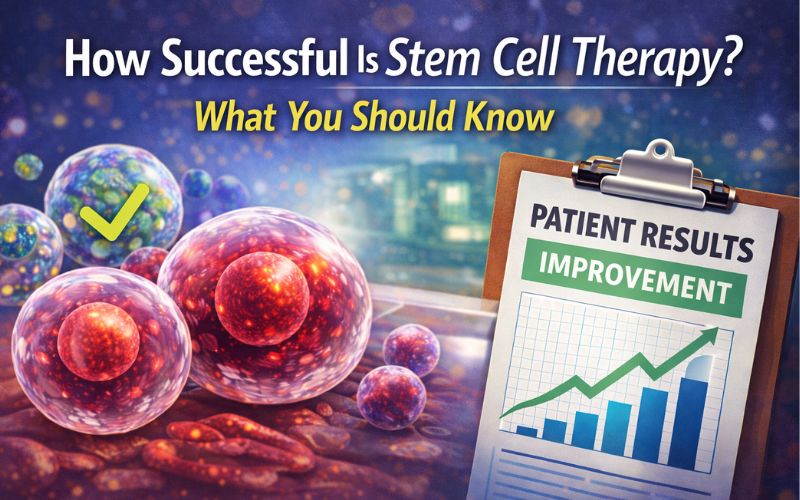
Stem cell therapy sounds like something from a sci-fi movie, right? But it’s very real and it’s changing the way doctors treat everything from joint pain to serious diseases. If you’re thinking about it or just curious, one big question probably comes to mind: How likely is it to actually work?
Let’s break down stem cell therapy success rates in simple terms, look at what makes a difference, and help you understand what this treatment can (and can’t) do.
Stem cells are special cells in our bodies that can turn into different types of cells. Imagine them as the body’s repair crew they can grow into bone, muscle, or nerve cells and help fix damaged areas.
Stem cell therapy means doctors take these cells either from your own body or a donor and use them to try to heal injured or sick tissues.
People use stem cell therapy for things like:
Pretty amazing, right? But just how often does it work?
Stem cell therapy success isn’t a simple yes or no. Lots of things can impact how well it works for you:
Some conditions respond better than others. For example, stem cell transplants for blood cancers like leukemia are quite successful and well-studied. But for things like arthritis or nerve damage, the results are still early and vary a lot.
Stem cells can come from different places:
Adult stem cells are the ones most commonly used today.
Sometimes stem cells are injected directly into the injured area, other times they’re given through an IV. The method can affect how well the cells work and how long they remain active in the body.
Age, overall wellness, and how advanced your condition is can change results. Younger and healthier people often respond better.
Getting treatment at a reputable clinic or hospital that follows strict medical guidelines usually leads to better outcomes than unregulated facilities.
This is the oldest and most reliable use of stem cell therapy. For people with blood cancers, success rates have improved significantly. Some patients have a 5-year survival rate of over 70–80% after a stem cell transplant.
For arthritis and joint problems, many patients report less pain and better movement after treatment. Around 60–70% of patients see improvement, although the results may not last forever and long-term studies are still ongoing.
Stem cell therapy for conditions like Parkinson’s disease or spinal cord injuries is still in early research stages. Some patients experience small improvements, but scientists are still studying how effective it truly is.
For diseases such as multiple sclerosis or lupus, stem cell therapy can help “reset” the immune system. Studies suggest it may slow disease progression in about 50–65% of patients.
Stem cell therapy is still evolving, and measuring success isn’t always simple.
If you’re considering stem cell therapy, keep these points in mind:
Always consult a qualified doctor and consider clinics involved in research or clinical trials.
Scientists continue improving stem cell treatments by:
More clinical trials are happening every year, and regulations are strengthening to keep treatments safe.
Stem cell therapy is an exciting field with huge potential. For some conditions like blood cancers, it’s already a proven lifesaving treatment. For others, such as arthritis or nerve damage, research is still developing but very promising.
If you’re considering stem cell therapy, do your research, talk with trusted medical professionals, and keep realistic expectations. As science advances, stem cells may help many more people live healthier and happier lives.
From easing joint pain to potentially treating chronic diseases, stem cell therapy is becoming a popular non-surgical treatment option.
Read More →
Stem cell therapy has rapidly evolved over the past few decades, transforming from a largely experimental field into a cornerstone of regenerative medicine.
Read More →
Explore the newest breakthroughs in regenerative therapies and medical research.
Read More →
